


As we all know, refractory bricks are generally used to build stoves. Because ordinary bricks have poor heat resistance, they will crack or even melt when the temperature is high. Therefore, some factory furnaces, such as glass kilns, must use refractory fire bricks. How to choose refractory fire bricks for glass kiln?
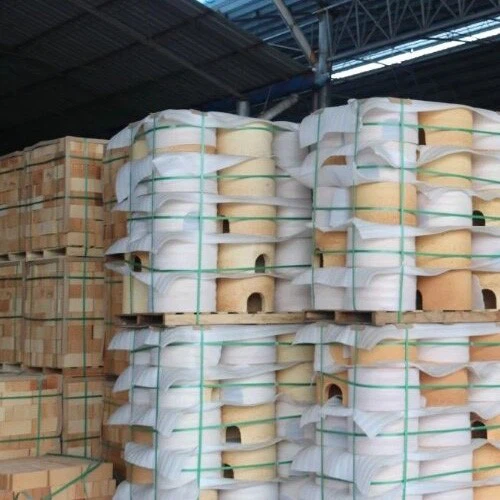
1. Select and configure the corresponding refractory bricks according to the operating environment of each part of the furnace (temperature, atmosphere, raw material composition and state, fuel, etc.) and the cause of damage to the refractory fire bricks.
2. According to the planned kiln age of the melting kiln and the damage rate of the refractory fire bricks in each part, select and configure refractory fire bricks with corresponding physical and chemical performance indicators and external dimensions so that the life of the refractory fire bricks in each part matches the kiln age.
3. Avoid using refractory bricks that will react chemically at the service temperature to build them together. If necessary, a transition or transition layer should be used between the two types of refractory fire bricks.
4. The portion of the pool wall in contact with the glass melting furnace should minimize transverse brick joints to avoid upward drilling erosion and aggravation of refractory brick erosion.
5. When it is necessary to use refractory mud for masonry, the refractory mud with the same properties as the refractory bricks must be used. Refractory fire bricks and refractory mud of different materials must not be mixed.
6. During cold repair of the melting furnace, the reasons for the damage of the refractory fire bricks that caused the weak link of the kiln shutdown for cold repair should be improved.
7. The selection and configuration of furnace refractory materials should also consider the economic rationality of the total cost of the furnace refractory bricks, which is not based on the current production level and actual use experience of refractory materials.


