


Insulation Thermal Material
Wholesale thermal insulation products Supplier in China
Ceramic fiber products manufactures for thermal insulation in high-temperature environments

Safe and Reliable
Our products and systems protect lives and processes 24 hours a day and 365 days of each year.
Global Footprint
We have operations on 5 Continents and in 30 Countries to efficiently serve our Customers.
Trusted Engineering Services
Our services efficiently support our Customers application demand
Value to our Customers
We are looking for a cooperative partner to expand our business.
Improved energy efficiency and fuel savings
Reducing CO2 emissions
Improve operational costs and overall performance


Definition Of insulation Ceramic Fiber Products
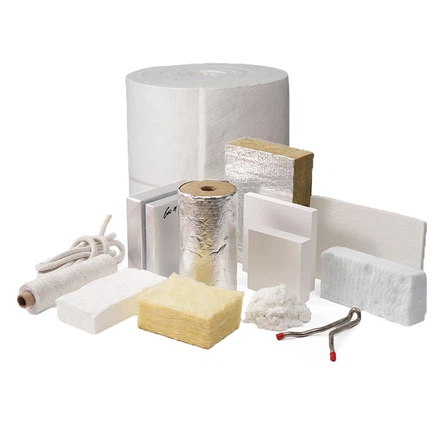
Insulation Ceramic fiber products refer to industrial products made from ceramic fibers as raw materials, which have the advantages of light weight, high temperature resistance, good thermal stability, low thermal conductivity, small specific heat and resistance to mechanical vibration. They are specially used for various high temperatures. , high pressure, easy to wear environment.
Products Description
Ceramic fiber products are an excellent refractory material. It has the advantages of light weight, high temperature resistance, small heat capacity, good thermal insulation performance, good high temperature insulation performance, and non-toxicity. The application scope of ceramic fiber products is mainly in the processing industry and heat treatment industry (industrial kilns, heat treatment equipment and other thermal equipment).
FEATURE 01
Light weight
FEATURE 02
high temperature resistance
FEATURE 03
good thermal stability
FEATURE 04
low thermal conductivity
FEATURE 05
small specific heat
FEATURE 06
mechanical vibration resistance
types Of ceramic fiber products
ceramic fiber products into four grades according to temperature, i.e. 1000 ℃, 1260 ℃, 1400 ℃ and 1600 ℃. Ceramic fiber varieties are: ordinary aluminum silicate fiber, aluminum silicate aluminum fiber, aluminum silicate fiber, polycrystalline alumina fiber and polycrystalline mullite fiber.
ceramic fiber blanekt is manufactured from spun ceramic fiber and is needled to provide exceptional handling strength for high-temperature insulation applications. Ceramic Insulation Blanket is typically offered in three standard grades referred to as commercial, High-Purity, and Zirconia grade.
Ceramic fiber board is a high density, vacuum pressed insulation produced through a wet forming process using alumina-silica fibers and binders.it is made of ceramic bulk fiber with special formulated binder produced by vacuum formed technology. is commonly used as a hot face lining in high-temperature settings.
Ceramic fibre paper is a high-temperature insulation material that is made from ceramic fibers, it consists primarily of high purity alumnio-silicate fiber and is manufactured through a fiber washing process.is lightweight refractory material processed from a blend of alumina-silica fibres into a flexible, uniform sheet.
Ceramic fiber bulk is produced by being spun into bulk fibers.is made by the melted high purity chamotte, alumina powder, Cab-O-Sil, zircon materials materials at high temperature through resistance furnace, before being blown or spun into fiber.
ceramic fiber module is a continuous folded fiber blanket under compression,It is produced from accordion-folded or stacked ceramic fiber blanket,are made from ceramic fiber blanket that is folded or stacked and pre-compressed to form rectangular modules,that uses either 304SS or 310SS hardware and anchoring systems.
ceramic fiber rope is manufactured from superior quality Ceramic fiber yarn, braided cover on the cover to form a solid packing.it contains approximately 20% organic binders to facilitate the carding process.
it is suiable for furnace door seals rated up to 1260°C in optimum conditions.
Ceramic Fiber cloth is produced from high purity aluminosilicate material, is made from a heat resistant material and bio-soluble ceramic fibre for high temperature applications up to 2300°F fire doors, industrial furnace insulation, high temperature pipes and containers of insulation.
Ceramic Fiber Textiles are manufactured from alumina-silica ceramic fiber consisting of 47% Alumina, and 53% Silica.it is small-dimension filament or thread composed of a ceramic material, usually alumina and silica, used in lightweight units for electrical, thermal, and sound insulation.
Aerogel felt is a very excellent thermal insulation and fireproof material,silica aerogel particles having a nanoporous structure with excellent thermal insulation properties,is an airgel-based nanotechnological mat-felt with excellent insulating performance.features durable, flexible, and high tensile, ideally for the fuction of thermal, sound and light reduction.
Microporous Board is an efficient insulation product based on advanced microporous insulation technology.Microporous Soft Board is a flexible and efficient microporous insulation material formed by special process.it is a high-temperature, rigid, microporous material specifically designed for applications.
Rock wool products come from a volcanic rock that is melted at a temperature of roughly 1,600C and then spun into wool. is a type of insulation material made from natural minerals, primarily basalt or diabase. is any fibrous material formed by spinning or drawing molten mineral or rock materials such as slag and ceramics.
Refractory anchor is a specialized device used to hold a refractory lining to the wall of an industrial application, keeping it from falling in and protecting your forge, kiln.Refractory anchoring hardware must be manufactured from high-quality materials because, being closest to the hot face, they experience the highest temperatures.
Material Of Ceramic Fiber
Ceramic fibers comprise a wide range of amorphous or crystalline synthetic mineral fibers characterized by their refractory properties They typically are made of alumina, silica, and other metal oxides or, less commonly, of nonoxide materials such as silicon carbide.
Application of ceramic fiber products
Ceramic Fiber is a thermal and fire proofing material includes long, flexible, and interwoven spun fibers produced for appliances operating at 650-1430°C.Ceramic fibers are used as insulation materials, because of their ability to withstand high temperatures, and are used primarily for lining furnaces and kilns . The products are in the form of blankets, boards, felts, bulk fibers, vacuum-formed or cast shapes, paper, and textiles.
Ceramic fibers are mostly used as refractory fibers in uses over 1000 °C and are characterized by a polycrystalline structure rather than amorphous。it is widely used as thermal insulation and high temperature protection material in various thermal devices and thermal conduction systems.
Topower Ceramic fiber products are used in high-temperature industrial processing of metals, petrochemicals, cement, ceramics and glass,
and by manufacturers of equipment for aerospace, automotive, marine and domestic applications.
Be used in a wide range of industries.
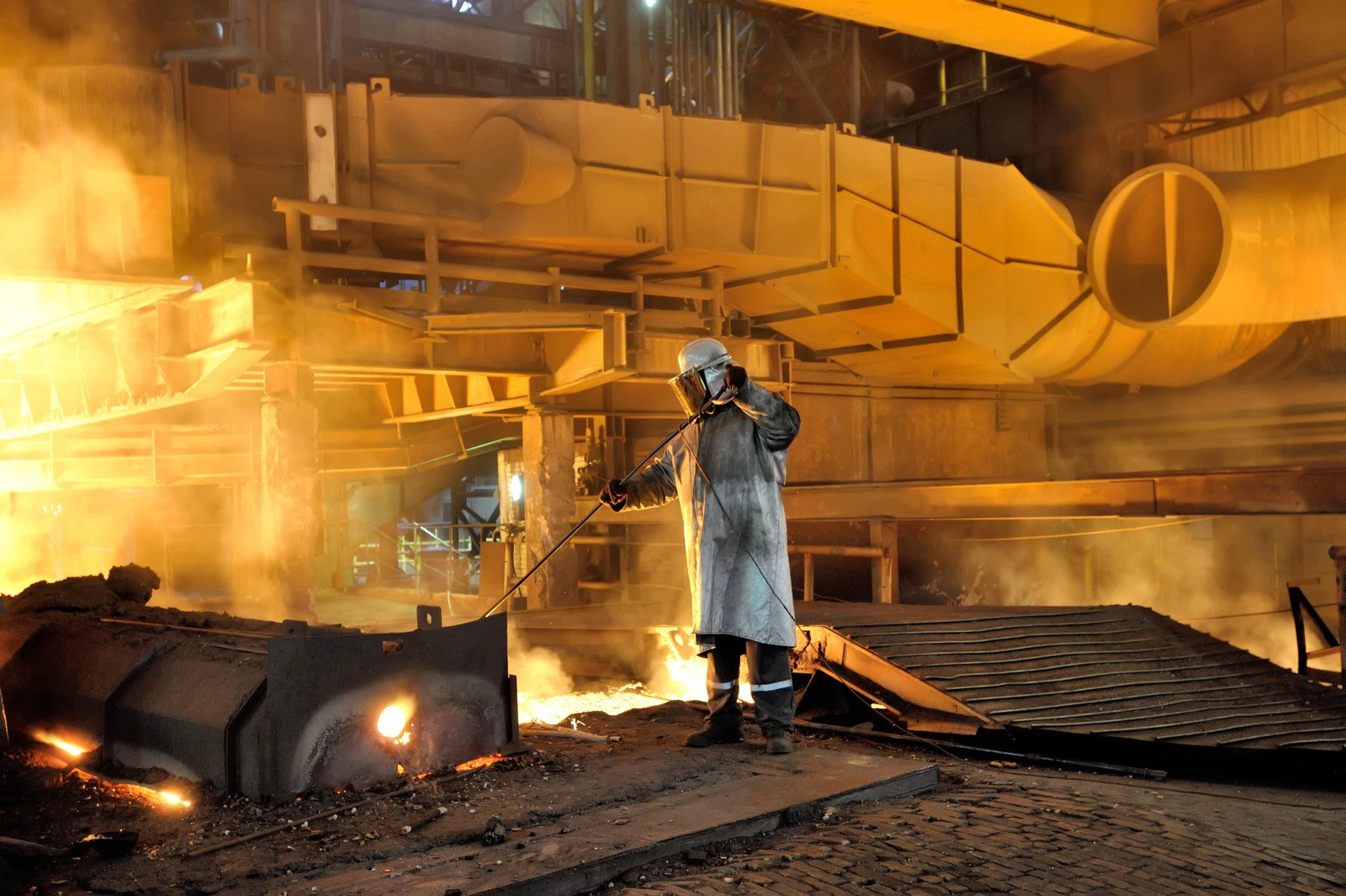
lron&steel

Oil industry
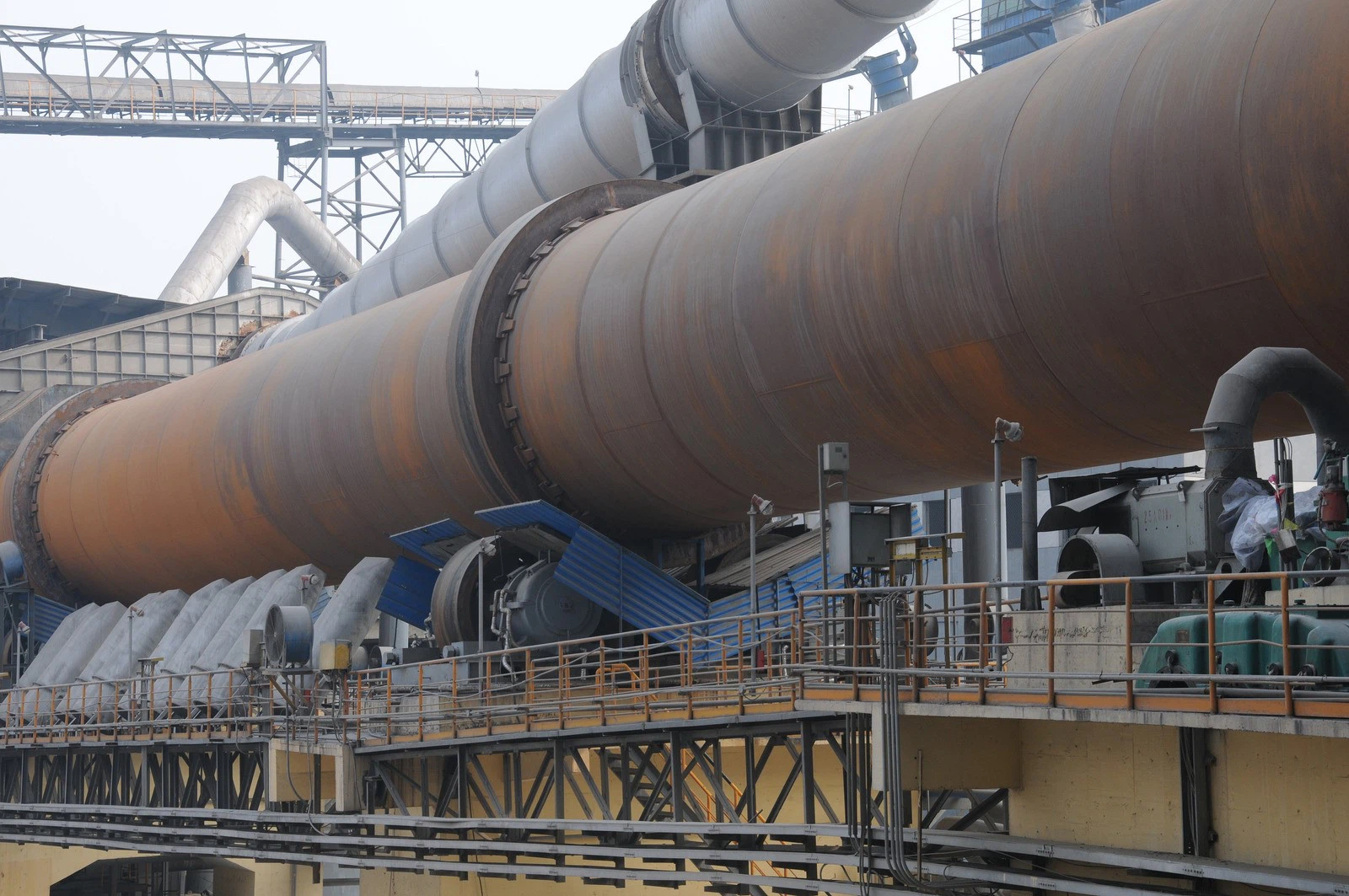
Industrial furnace
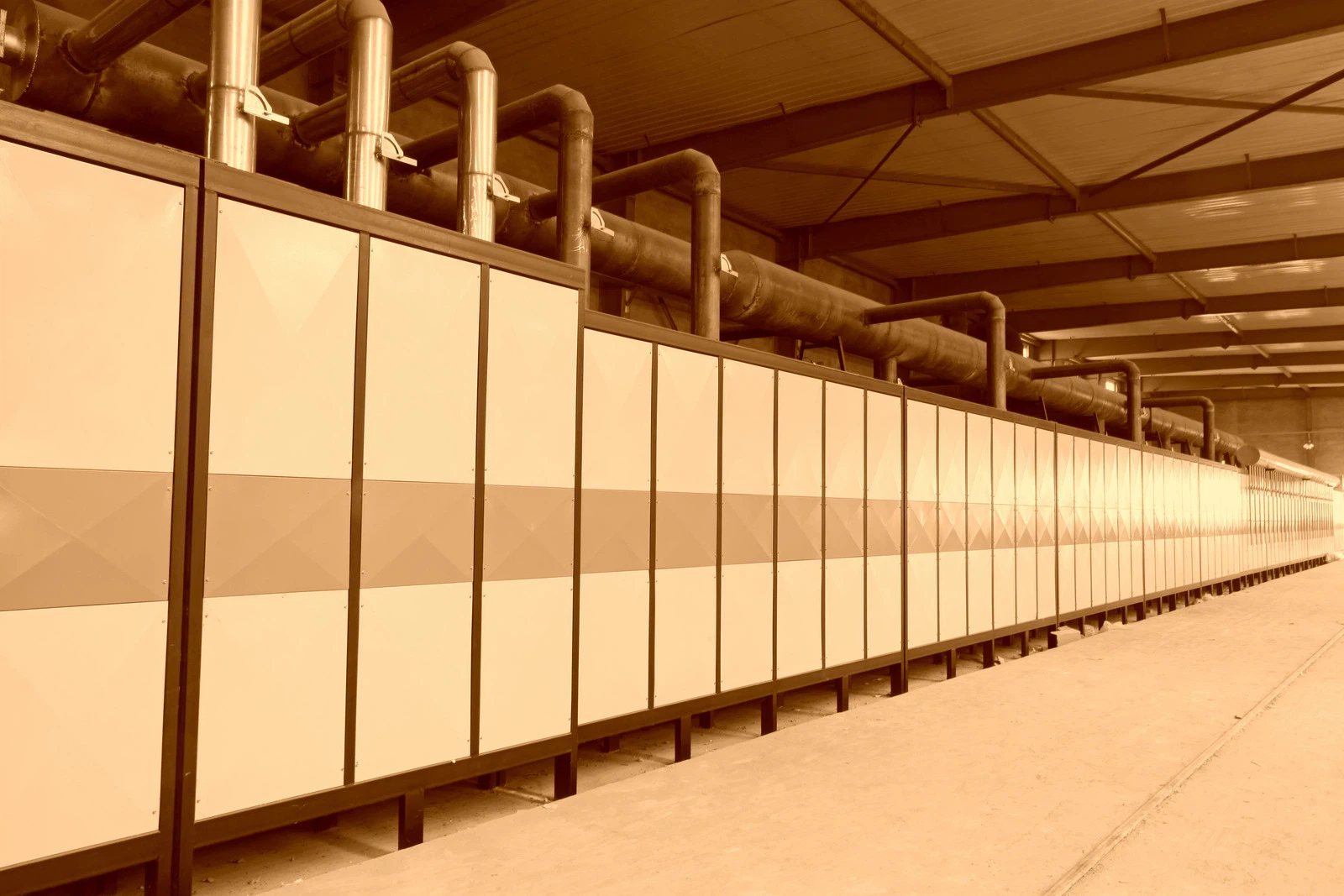
Industrial kilns
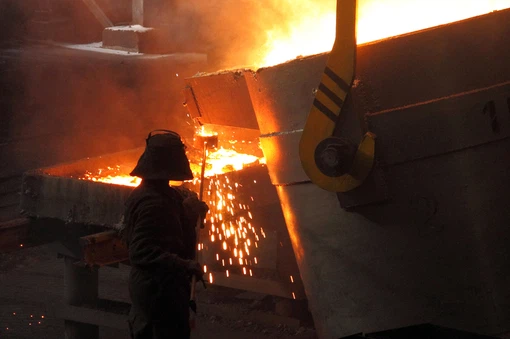
Petrochemical manufacturing
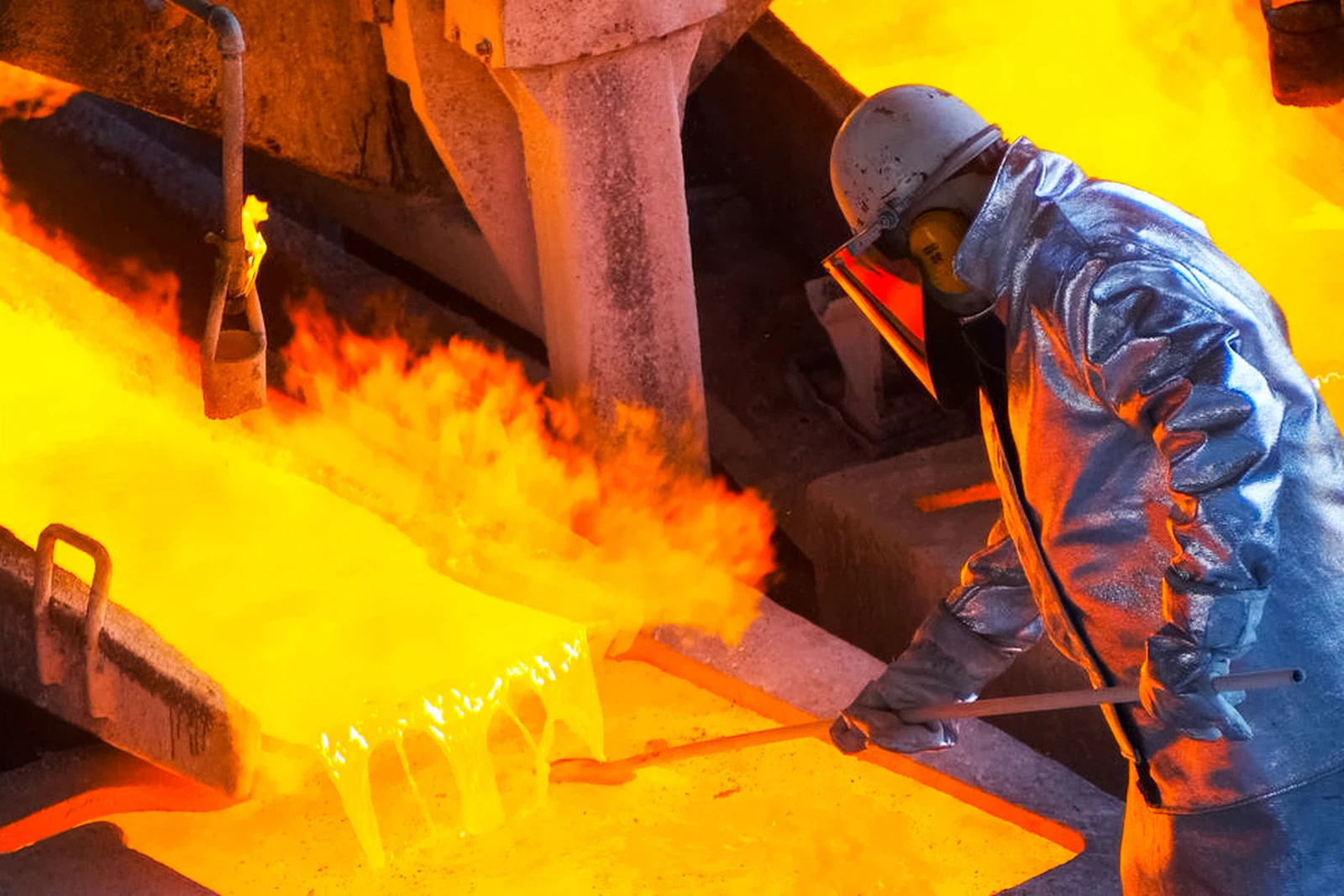
Non-ferrous metals manufacturing
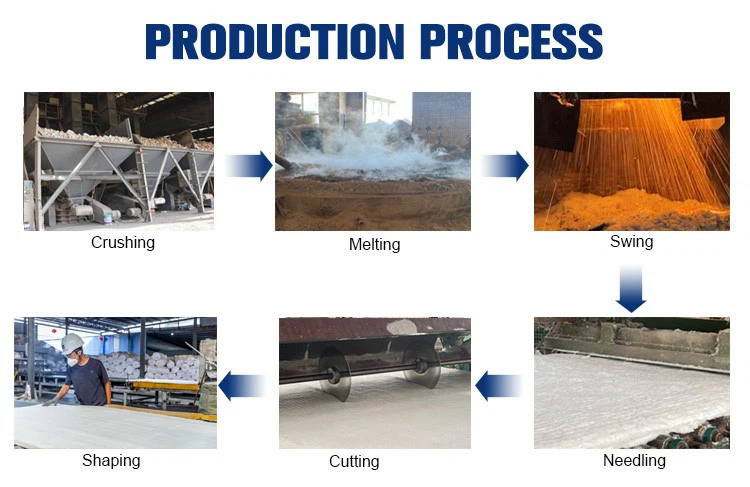
roductive process of Ceramic fiber
1. Preparation of ceramic raw materials. Commonly used ceramic raw materials include alumina, alumina, silicates, etc. These raw materials are crushed and screened to meet certain particle size requirements, providing basic materials for subsequent process steps.
2. Preparation process of ceramic fiber. The most commonly used preparation methods are high-temperature melting and sol-gel methods. The high-temperature melting method is to melt ceramic raw materials at high temperature, and then make fibers through spinning, drawing and other methods. The sol-gel method is to make ceramic raw materials into sol and then obtain fibers through steps such as gelling, drying, and burning.
3. After the fiber preparation is completed, a series of subsequent processing processes are required. The first is the surface treatment of the fiber, mainly to improve the strength and heat resistance of the fiber. Commonly used surface treatment methods include coating, coating, modification, etc. The second step is the shaping of the fiber, which can be done by spinning, carding, weaving, etc. to form the fiber into the required shape and structure. Then there is the sintering process of the fiber, which is to sinter the fiber at high temperature to make its structure more dense and improve its strength and high temperature resistance. The last step is to perform surface treatment on the fiber, such as coating with a protective layer, polishing, etc., to improve the service life and stability of the fiber.
Frequently Asked Questions
What is ceramic fibers?
+
-
They typically are made of alumina, silica, and other metal oxides or, less commonly, of nonoxide materials such as silicon carbide.
What are the raw materials of ceramic fiber?
-
Ceramic fiber cotton is made by melting high-purity clay clinker, alumina powder, silica powder and other raw materials at high temperature in an industrial electric furnace to form a fluid, and then blowing it with compressed air or spinning it into a fiber shape with thread throwing centrifuge
What are the applications of ceramic fibres?
-
Ceramic fiber wool is used in a variety of high-temperature applications, including furnace linings, kilns, and industrial heaters. The material is also used in insulation blankets, which are commonly used in commercial and residential construction.
What are the disadvantages of ceramic fiber?
-
some disadvantages in the application of ceramic fiber: poor stability, poor resistance to erosion, air flow erosion and peeling off.
How do you handle ceramic fiber?
-
Wear long-sleeved clothing and gloves.
Wear head and eye protection including respirator or masks to prevent inhaling dust.
Wash any exposed skin surface with soap and water after handling the ceramic fiber material.
Wash RCF-soiled clothing frequently and separately from other clothing.
What are the physical properties of ceramic fibres?
-
These properties include thermal conductivity, low weight, heat storage and thermal inertia, resistance to thermal shock, low thermal expansion, resilience and recovery from compression, acoustic performance, resistance to molten metal attack and heat distribution.
Is ceramic fibre fireproof?
-
In contrast to organic fibres, ceramic (inorganic) fibres, are not flammable and can maintain their physical strength and thus structure at very high temperatures.
Can ceramic fiber board get wet?
-
Ceramic fiber board also resists oxidation. If a board gets wet with water, oil or steam, it will return to normal when it dries.
What is the tensile strength of ceramic fiber?
-
the ceramic SiC fiber lengthwise, the tensile test was performed on this composite at room temperature and a high temperature of 600°C, with the ultimate tensile strength being 948.76 MPa and 526.62 MPa, respectively, and, in this process, the fiber was debonded and pulled out.
What is the melting point of ceramic fiber?
-
The ceramic fibers have a melting point of 3200°F and will provide up to 2300°F continuous service.