


In the glass industry, the regenerator zone is one of the harshest environments for refractory materials. It faces continuous exposure to alkali vapors, high temperature fluctuations (1300–1600 °C), and corrosive flue gases.
Traditional magnesia-chrome or magnesia alumina bricks often suffer from spalling, corrosion, and structural deformation after long-term operation.
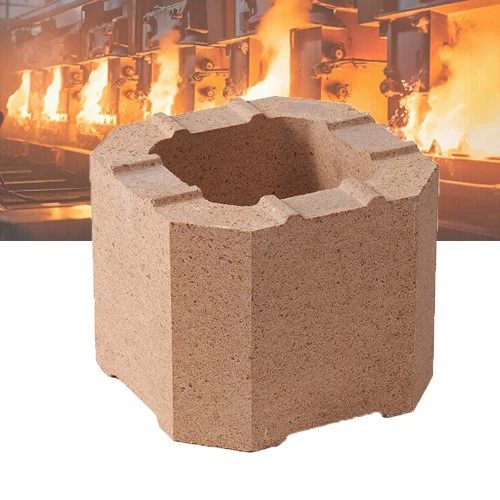
To overcome these issues, modern furnace designers are increasingly adopting magnesia zirconium bricks - a next-generation glass furnace refractory material developed to combine high refractoriness with outstanding chemical stability.
Magnesia zirconium bricks are high-performance alkaline refractories composed mainly of fused magnesia (MgO) and zirconia (ZrO₂) as the main crystal phases.Through controlled sintering or fusion casting, these two components form a dense microstructure of periclase–baddeleyite solid solution, significantly improving corrosion resistance and structural integrity.
This unique chemistry makes zirconium magnesia bricks among the most durable materials for glass furnace regenerators, ports, and burner blocks.
Why Magnesia Zirconium Bricks Excel in Glass Furnace Regenerator Zones
1 :Exceptional Alkali and Sulfate Resistance
During glass melting, volatilized Na₂O, K₂O, and SO₃ from the batch react aggressively with most refractories.
However, magnesia zirconium bricks form a protective zirconia–magnesia solid layer, preventing alkali infiltration and reducing chemical wear.
This makes them highly anti-alkali bricks - capable of maintaining structural stability even under heavy alkali vapor condensation.
2: Outstanding Thermal Shock and Spalling Resistance
Regenerator chambers experience rapid temperature cycling between hot and cold streams.
Thanks to the zirconia phase, magnesia zirconium bricks exhibit strong crack-healing ability and high fracture toughness.
They resist peeling and spalling far better than traditional chrome-containing refractories.
3 :Environmental and Health Safety
Conventional magnesia-chrome bricks face environmental restrictions due to Cr⁶⁺ pollution during service.Magnesia zirconium bricks are Cr-free, making them environmentally friendly and compliant with modern glass furnace design standards - especially for float, container, and specialty glass production lines.
4 :Extended Service Life and Stable Thermal Performance
Long-term operation data from glass plants show that magnesia zirconium bricks last 1.5–2 times longer than standard magnesia-alumina or chrome-based refractories.
Their stable structure minimizes regenerator wall deformation, helping maintain consistent heat recovery efficiency and lower fuel consumption.
The regenerator is responsible for preheating combustion air and recovering heat from exhaust gases, meaning refractory reliability directly impacts glass quality and energy efficiency.
Magnesia zirconium bricks are mainly used in:
Regenerator checker walls and side walls
Port neck and burner zones
Crown and upper sidewall areas
Hot face linings exposed to alkali vapor
in these locations, their combination of high refractoriness, low porosity, and chemical durability ensures longer service life and reduced maintenance shutdowns - a major economic advantage for large-scale glass plants.
To maximize the benefits of magnesia zirconium bricks in glass furnace regenerators, engineers should focus on:
Proper preheating and controlled installation to avoid thermal stress
Using alkali-resistant mortar for joint sealing
Periodic inspection for alkali deposition and cleaning cycles
Maintaining balanced furnace atmosphere to limit corrosive gas generation
By integrating these best practices, the regenerator structure can achieve stable performance over multiple furnace campaigns.
Magnesia zirconium bricks have set a new benchmark for glass furnace refractory design, combining:Excellent anti-alkali resistance,High thermal shock stability, and Long service life under extreme operating conditions.
For glass manufacturers aiming for sustainability and cost efficiency, switching to zirconium magnesia refractory solutions offers a clear competitive edge - both technically and economically.


