


Selecting the right calcium aluminate cement binder determines whether your monolithic refractory lining survives thermal cycling or crumbles during initial dry-out. For furnace engineers, precast block manufacturers, and maintenance crews, choosing between standard CA50, high-purity CA70, and ultra-refractory CA80 grades comes down to matrix chemistry, working open time, and service temperature. At Topower Refractory, we produce and export hydraulic binders engineered to ASTM and ISO standards for demanding industrial applications worldwide.
Key Technical Sourcing Facts
Binder Grades Available: CA50 (Al2O3 50% to 54%), CA60 (Al2O3 58% to 62%), CA70 (Al2O3 68% to 72%), and CA80 (Al2O3 78% to 82%).
Specific Surface Area: Blaine fineness 380 to 430 m2/kg for rapid, complete hydraulic reactivity without unhydrated voids.
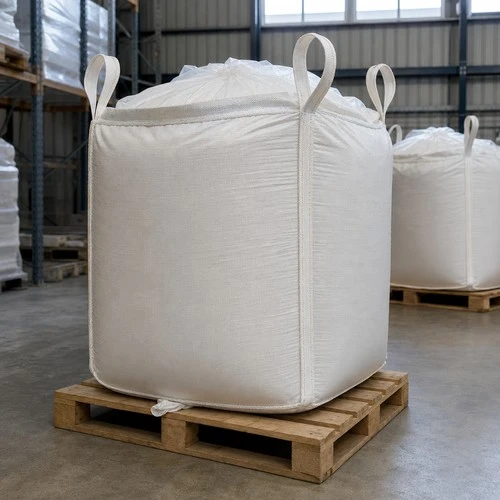
Standard Packaging: 25 kg multi-ply moisture-proof paper bags with internal PE film, or 1000 kg UV-resistant bulk bags on heat-treated export pallets.
Factory Direct Supply: Standard CA50 and CA70 in warehouse stock; typical export lead time 7 to 12 days FOB Qingdao / Tianjin.
What Is Calcium Aluminate Cement?
Widely recognized in industrial procurement as refractory cement or high-alumina cement, calcium aluminate cement is a hydraulic binder manufactured by fusing or sintering high-grade bauxite or calcined alumina with pure limestone. Unlike conventional Portland cement, where tricalcium silicate governs setting, this specialized refractory binder relies on monocalcium aluminate (CA, CaO·Al2O3) as its primary active hydraulic phase.
When mixed with clean water, the CA mineral phase reacts rapidly to form crystalline hydrate networks that lock graded aggregates into rigid monolithic linings. This hydraulic action delivers high 24-hour mechanical strength and refractoriness up to 1800°C depending on alumina purity. Across steel ladles, cement rotary kilns, petrochemical heaters, and glass forehearths, pure calcium aluminate cement powder forms the durable structural matrix of heavy-duty refractory castables.
CA50, CA60, CA70 and CA80 Technical Comparison
The refractoriness, chemical resistance, and setting kinetics of refractory hydraulic binders depend directly on their Al2O3 to CaO ratio and impurity thresholds (specifically Fe2O3 and SiO2). Below are typical batch specification values for Topower Refractory commercial grades:
| Technical Property / Metric | CA50 Grade (Standard) | CA60 Grade (Intermediate) | CA70 Grade (High Purity) | CA80 Grade (Ultra Purity) | Test Standard |
|---|---|---|---|---|---|
| Al2O3 Content (%) | 50.0 - 54.0 | 58.0 - 62.0 | 68.5 - 72.0 | 78.0 - 82.0 | ASTM C114 |
| CaO Content (%) | 31.0 - 35.0 | 28.0 - 32.0 | 26.0 - 29.5 | 16.0 - 20.0 | ASTM C114 |
| SiO2 Content (%) | <= 5.5 | <= 3.8 | <= 0.40 | <= 0.25 | ASTM C114 |
| Fe2O3 Content (%) | <= 2.5 | <= 1.8 | <= 0.25 | <= 0.15 | ASTM C114 |
| Main Mineral Phases | CA, C12A7 | CA, CA2 | CA, CA2 | CA2, CA6, alpha-Al2O3 | XRD Analysis |
| Pyrometric Refractoriness (°C) | 1420 - 1460 | 1500 - 1540 | 1580 - 1620 | >= 1780 | ISO 528 / Orton |
| Specific Surface (Blaine, m2/kg) | 320 - 360 | 340 - 380 | 380 - 430 | 420 - 460 | ASTM C204 |
| Initial Setting Time (min) | 45 - 120 | 40 - 100 | 40 - 90 | 30 - 75 | Vicat Needle |
| Final Setting Time (min) | 180 - 360 | 150 - 300 | 120 - 240 | 90 - 180 | Vicat Needle |
| 1-Day Compressive Strength (MPa) | >= 50.0 | >= 55.0 | >= 65.0 | >= 75.0 | ISO 679 |
| 3-Day Compressive Strength (MPa) | >= 65.0 | >= 70.0 | >= 80.0 | >= 90.0 | ISO 679 |
Note: All production lots leave our plant with verified batch inspection sheets (COA). Setting times can be custom-tailored with retarders or accelerators for tropical or sub-zero installation jobs.
Hydration Mechanism and Phase Conversion Kinetics
Understanding binder hydration kinetics is vital for preventing structural cracking and spalling during furnace commissioning:
1. Dissolution and Early Hydrate Formation
When hydraulic aluminate powder mixes with water, calcium and aluminate ions dissolve rapidly to reach super-saturation. After a dormant induction period (30 to 60 minutes at 20°C), hexagonal hydrate crystals precipitate. At ambient temperatures (15°C to 25°C), the reaction yields monocalcium aluminate decahydrate (CAH10) and dicalcium aluminate octahydrate (C2AH8), plus amorphous alumina gel (AH3). These interlocking platelet crystals create high cold crushing strength within 6 to 12 hours.
2. The Conversion Phenomenon
Hexagonal hydrates are metastable. Under warm ambient curing or when heating above 35°C, they convert into hydrogarnet (C3AH6), a cubic crystal phase:
3 CAH10 -> C3AH6 + 2 AH3 + 18 H2O
This phase transformation triggers a crystal density increase from 1.72 g/cm3 to 2.53 g/cm3. The associated volume shrinkage opens micro-pores, causing a temporary dip in cold strength between 300°C and 800°C.
3. Engineering Solutions
To bridge this intermediate strength valley, modern refractory castables incorporate reactive silica fume or fine tabular alumina. These reactive micro-powders react with calcium oxide at intermediate firing temperatures, forming ceramic bonds (anorthite and gehlenite) that restore lining density before peak operating temperatures are reached.
How to Select the Right Cement Grade
Selecting the proper binder grade depends on hot-face temperature, slag chemistry, and furnace atmosphere:
Choose CA50 When:
Working temperatures remain under 1400°C in industrial boilers, rotary kiln cooler zones, waste incinerator ductwork, or stack linings.
Formulating standard conventional castables, gunning mixes, or air-setting refractory mortars where low iron thresholds are not critical.
Maximizing initial project economics without paying for synthetic high-purity alumina raw materials.
Choose CA70 When:
Producing low cement castable (LCC) or ultra-low cement castable (ULCC) linings operating between 1450°C and 1650°C.
Operating in reducing atmospheres containing carbon monoxide (CO) or hydrogen (H2), such as petrochemical cracking furnaces and blast furnace troughs. Holding Fe2O3 below 0.25% prevents catalytic soot deposition and destructive lining spalling.
Anchoring precast burner blocks or ladle impact pads with high-grade stainless steel anchors.
Choose CA80 When:
Operating extreme hot-face linings above 1700°C, including secondary steel refining ladles, vacuum degassers, and slagging coal gasifiers.
Matrix purity demands near-zero silica contamination to avoid low-melting eutectic phases in contact with molten metals or aggressive slags.
Typical Binder Dosage by Castable Type
Formulating monolithic linings requires matching the binder grade and dosage to the installation method and ASTM C401 classification:
| Monolithic Formulation Type | Recommended Cement Grade | Typical Binder Dosage (% wt) | Gauging Water (% wt) | Key Matrix Feature |
|---|---|---|---|---|
| Conventional Castable (CC) | CA50 / CA60 | 15.0% - 22.0% | 7.0% - 9.0% | Rapid 24-hr demolding strength; economical general lining. |
| Low Cement Castable (LCC) | CA70 | 4.0% - 7.0% | 4.5% - 5.5% | Dense sub-micron particle packing; high hot modulus of rupture. |
| Ultra-Low Cement (ULCC) | CA70 / CA80 | 1.5% - 3.0% | 3.5% - 4.5% | Minimal CaO fluxing phases; superior slag corrosion resistance. |
| Refractory Gunning Mix | CA50 / CA60 | 12.0% - 18.0% | Regulated at nozzle | Rapid green cohesion to minimize rebound loss under 15%. |
| Air-Setting Mortar | CA50 | 20.0% - 30.0% | 18.0% - 22.0% | Fine grain penetration (< 0.2 mm) for tight brick joints. |
Mixing Water and Curing Best Practices
Field failures with aluminate binders usually trace back to excess gauging water or improper moisture retention:
Water Control: Keep water addition minimal. In conventional castables (15% to 20% cement), total water should stay between 7.0% and 9.0%. In deflocculated low-cement systems (4% to 7% cement), target 4.5% to 5.5% with polycarboxylate dispersants. Surplus water evaporates during heat-up, creating open pores that degrade mechanical strength.
Zero Contamination with Portland Cement: Never use tools or mixers contaminated with Portland cement. Portland releases calcium hydroxide, which causes flash-setting of aluminate cements within minutes, leading to severe thermal cracking and crumbly installations.
Ambient Temperature and Retarders: In summer temperatures exceeding 30°C, aluminate hydration accelerates rapidly, drastically shortening working pot life. In our technical lab tests, dosing 0.02% to 0.05% citric acid extends placement open time from 25 minutes to over 60 minutes without harming final 3-day strength. Conversely, below 10°C, lithium carbonate can be dosed to accelerate sluggish early demolding.
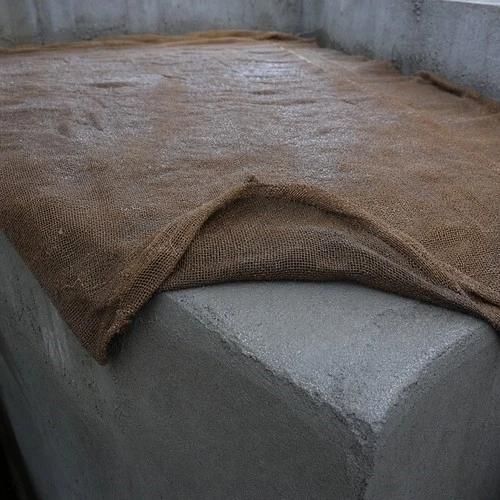
Moist Curing: Cover placed linings with wet burlap or polyethylene sheeting for 24 hours. Because aluminate hydration is intensely exothermic, premature surface drying starves unhydrated particles and leaves weak, powdery surfaces.
Controlled Dry-Out: Ramp temperature at 15°C to 20°C per hour up to 150°C, holding for 1 hour per 25 mm of lining thickness to discharge free water, followed by a second hold at 350°C to release chemically bound crystal water safely.
Packaging, Storage and Sourcing
Aluminate cement powder is hygroscopic and requires reliable barrier packaging for transoceanic shipping:
Moisture Protection: We pack all grades in multi-wall kraft paper sacks with inner polyethylene moisture barriers (25 kg / bag). Sealed bags stored on dry, elevated pallets maintain full reactivity for 6 to 9 months.
Lump Inspection Rule: If bags develop lumps during prolonged storage, apply hand pressure. Soft clumps that crush easily between fingers are static agglomerations and remain safe to use. If lumps are hard and gritty, partial hydration has occurred; do not crush or screen them into production castables, as reactive binder strength is permanently compromised.
Bulk Super Sacks: For high-capacity castable blending plants, we provide 1000 kg polypropylene big bags with internal PE liners and bottom discharge spouts.
Traceable Mill Certificates: Each batch undergoes XRD phase testing, Blaine fineness analysis, and 24-hour compressive strength verification before container dispatch.
Transparent Sourcing: Pricing & How to Order
Topower Refractory supplies factory-direct binders to refractory producers, metallurgical plants, and civil contractors:
Technical RFQ Checklist
To receive a formal quotation within 4 hours, provide:
Target Grade: CA50, CA60, CA70, or CA80 (or specify your Al2O3 and Fe2O3 limits).
Installation Type: Vibration casting, pumpable self-flow, gunning, or mortar jointing.
Order Tonnage: Minimum order is 5 metric tons for CA50/CA70, and 1 metric ton for CA80.
Packaging Format: 25 kg sacks on shrink-wrapped pallets or 1000 kg bulk bags.
Destination Port: For instant FOB Qingdao/Tianjin or CIF pricing calculations.
Pricing Reference: Standard CA50 typically ranges between 350 and 520 USD per metric ton FOB China, while low-iron synthetic CA70 and CA80 grades range from 750 to 1450 USD per metric ton based on alumina purity and raw material energy costs.
Technical Inquiries: Contact our engineering sales team directly at inquiry@topower.tech for batch datasheets and free 2 to 5 kg testing samples.
Frequently Asked Questions
What is the primary difference between calcium aluminate cement and Portland cement?
Portland cement cures via calcium silicates that break down above 350°C, releasing free lime. In contrast, refractory aluminate cement relies on monocalcium aluminate phases, providing operational stability up to 1800°C and achieving over 80% of final compressive strength within 24 hours.
What is the typical dosage of calcium aluminate cement in refractory castables?
In conventional refractory castables, calcium aluminate cement typically accounts for 15% to 22% of total dry mix weight. In advanced low-cement castables (LCC), the dosage drops to 4% to 7% by pairing with micro-silica or reactive alumina, which drastically reduces liquid phase formation and enhances high-temperature creep resistance.
Can aluminate cement linings handle acid and sulfate environments?
Yes. Because aluminate hydration produces no free calcium hydroxide, hardened linings exhibit outstanding resistance to biogenic sulfuric acid, hydrogen sulfide, carbon monoxide, and industrial sulfate attack, outperforming standard civil cements.
Why is low iron content mandatory in CA70 and CA80 grades?
In CO and H2 reducing gas environments, free iron oxides act as catalysts, splitting carbon monoxide into solid carbon. This soot deposits inside matrix micro-pores, building internal bursting stresses that cause lining failure. Low-iron CA70 and CA80 keep Fe2O3 under 0.25%, preventing carbon disintegration.


