


Topower Korean Customer Orders 25Tons Refractory Silica Brick For Petroleum Coke Calcining Furnaces
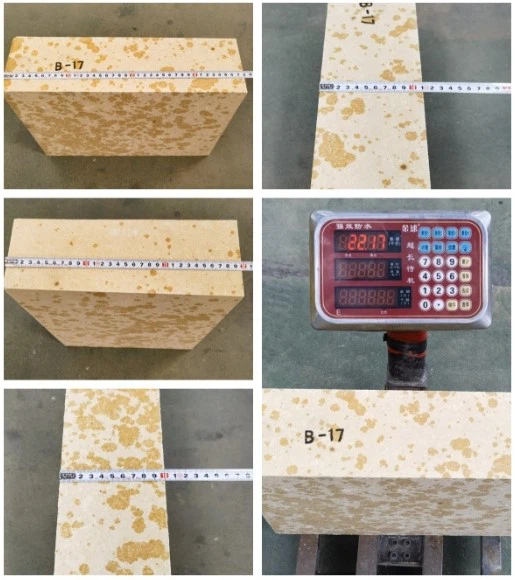
Silica refractory bricks are widely used in petroleum coke calcining furnaces due to their excellent thermal stability and resistance to high temperatures. However, in actual operation, these bricks often suffer from erosion and damage, which reduces their service life and increases maintenance costs. Understanding the causes of this erosion is crucial for buyers in the refractory industry to make informed decisions and mitigate these issues.
1. High-Temperature Chemical Reactions
One of the primary causes of erosion in silica bricks is the high-temperature chemical reactions that occur in the calcining environment. When the temperature exceeds 1300°C, metal oxides such as Na₂O, K₂O, and Al₂O₃ in petroleum coke can react with silicon bricks to form low-melting-point compounds. These reactions lead to the formation of eutectic phases, which significantly reduce the mechanical strength and thermal stability of the bricks. This chemical interaction accelerates the erosion process, leading to surface degradation and eventual failure of the refractory lining.
2. Sulfur Content in Petroleum Coke
The sulfur content in petroleum coke is another significant factor contributing to the erosion of silica firebricks. High-sulfur petroleum coke can contain over 5.5% sulfur, which reacts with the silicon fire bricks to form sulfates and other corrosive compounds. These compounds can penetrate the brick material, causing internal stress and leading to spalling and delamination of the brick surface. The presence of sulfur also increases the wear and tear on the refractory lining, reducing the overall service life of the calcining furnace.
3. Mechanical Erosion
Mechanical erosion is another common issue faced by silica bricks in calcining furnaces. The movement of petroleum coke and other materials within the furnace can cause physical abrasion on the brick surface. Over time, this mechanical stress leads to surface wear and the eventual breakdown of the refractory material. The high-temperature environment exacerbates this problem, as thermal expansion and contraction cycles can weaken the brick structure, making it more susceptible to mechanical damage.
4. Thermal Shock and Expansion
Thermal shock and expansion are significant contributors to the erosion of silica firebricks. Rapid temperature changes during the calcining process can cause thermal stress, leading to the formation of cracks and fissures in the brick material. These cracks can propagate and weaken the structural integrity of the bricks, making them more prone to erosion and failure. Proper thermal management and the use of materials with low thermal expansion coefficients can help mitigate this issue.
5. Inadequate Refractory Coatings
Inadequate or improper use of refractory coatings can also contribute to the erosion of silica bricks. While some coatings are designed to protect against chemical and thermal erosion, they may not be suitable for the high-temperature and high-sulfur environments of petroleum coke calcining furnaces. The selection of appropriate refractory coatings that can withstand the specific conditions of the calcining process is essential to extend the service life of silica refractory bricks.
The erosion of silica fire bricks in petroleum coke calcining furnaces is a multifaceted issue influenced by high-temperature chemical reactions, sulfur content, mechanical stress, thermal shock, and the effectiveness of refractory coatings. Addressing these factors requires a comprehensive approach that includes selecting high-purity raw materials, optimizing furnace design, and employing advanced refractory technologies. By understanding and mitigating the causes of erosion, buyers in the refractory industry can extend the service life of silica bricks, reduce maintenance costs, and improve operational efficiency.


