


The lining of steel ladles is generally constructed using high alumina bricks or monolithically refractory castable. Currently, monolithic casting is the most common method. Materials include water glass-bonded aluminum-magnesium castable, low cement castable or ultra-low-water high-alumina castable, and mullite self-flowing castable. After constructing the insulation layer with lightweight materials, a layer of kraft paper or plastic film is laid on its surface to prevent absorption and seepage of grout, which would affect the insulation effect. Then, the permanent lining is cast onto the formwork. The thickness of the permanent lining is generally around 80-100mm. After curing for a certain period, the ladle is demolded and allowed to dry naturally before being baked with gas or heavy oil.
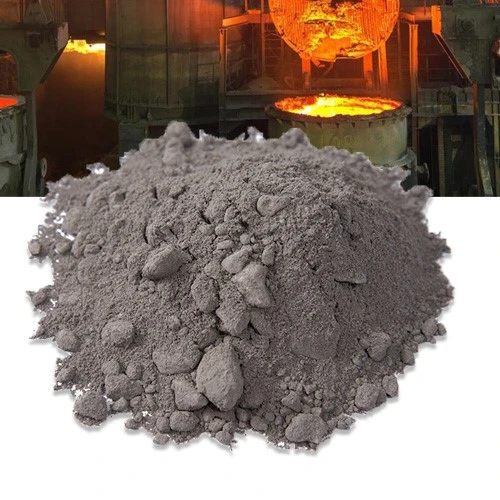
I. Construction of Permanent Lining for Steel Ladles Without Formwork
Large converter steel ladles, with a nominal capacity of 50 tons or more, require refining of molten steel using the ladle as a base. The working lining is generally constructed using magnesia carbon bricks. In addition to the above construction method, a permanent lining with a certain gap is left between the working lining and the insulation layer. After the working lining thickness (generally around 300-400mm) is achieved, refractory castable is evenly poured into the reserved gap along the circumference until it reaches the working lining height. The permanent lining is completed after the working lining is finished. Using this method, formwork is not required, and the permanent lining is baked together with the working lining, although the baking time is appropriately extended. However, the performance is inferior.
Construction Preparation
1. Tool Preparation: Pneumatic pick, angle wrench, hammer, special tools, steel chisel, etc.
2. Refractory Material Preparation: Fire mortar, ladle refractory castable , etc. All refractory materials used must be inspected before use.
3. Preparation of Vulnerable Spare Parts: Fireproof board, pneumatic pick chisel, etc.
4. Preparation of Fire Cement: Fire cement should be used in the order of its supply, first-come, first-served, and only as needed. If any abnormalities are found during use, such as clumping, loose bags, or contamination, the cement must not be used.
5. Preparation of Ladle Shell: a. Clean the new shell of debris; b. After dismantling the old shell, clean it of debris and repair any burnt areas on the steel plates along the rim.
II. Construction Method of Permanent Lining Without a Formwork
① Place the ladle in the designated pit for lining, ensuring it is level and stable. Cover the space between the ladle and the pit wall with a 5mm thick anti-slip steel plate or thick wooden board for easy operation.
② After the ladle is in place, begin constructing the permanent lining. First, lay a 20mm layer of refractory fiberboard at the bottom of the ladle.
③ Casting the permanent layer at the bottom of the ladle: After calculating the required amount, pour the material into a mixer and mix. Dry mixing time is 1-2 minutes, wet mixing time is 2-3 minutes. Place the mixed refractory castable on the bottom of the ladle and vibrate it slightly with a vibrator until the thickness meets the design requirements (including the fiberboard). Smooth the surface; flatness ≤ 3mm. Curing time is 4 hours after casting.
④ After curing the bottom of the ladle, the bottom can be constructed. After the bottom is constructed, build the first layer of molten pool bricks according to the specified inner diameter of the bottom layer. After building 3 layers, place fiber adhesive around the ladle walls and pour the permanent layer self-flowing castable around the circumference, tamping the material with an iron rod or steel chisel. Then continue building 3-4 working layers, then attach the fiberboard, and pour the permanent layer. Proceed in sequence. Note: Prevent the ceramic fiberboard from being encased in the castable.
III. Construction Method for Permanent Lining with Formwork
① The ladle wall can only be poured after the bottom refractory castable has completely solidified and reached sufficient strength.
② First, evenly brush a layer of grease or waste machine oil onto the formwork, then install the formwork. The formwork must be placed flat, stable, and firmly, and the spacing between its edges and the ladle wall steel plates should be as uniform as possible to ensure consistent working layer thickness.
③ After the formwork is placed, it must be firmly fixed; welding may be necessary.
④ Before pouring the permanent layer, complete the necessary preparations (mixer, vibrator, etc.), and then proceed with the construction according to requirements, including controlling the amount of water added, the method and location of material addition, and ensuring even material addition from around the ladle to prevent formwork displacement. Vibration should be sufficient until the slurry is fully formed to ensure the permanent layer is free of pitting and porosity.
⑤ The permanent layer of the ladle must be completed in one continuous process.
⑥ Generally, demolding can be done 8-16 hours after construction (depending on the ambient temperature). However, the strength of the surface refractory must be checked before molding. If there is still material that has not solidified, the demolding time should be extended until the refractory has sufficient strength before demolding.
⑦ After demolding and air drying for 24 hours, it can be baked.


