


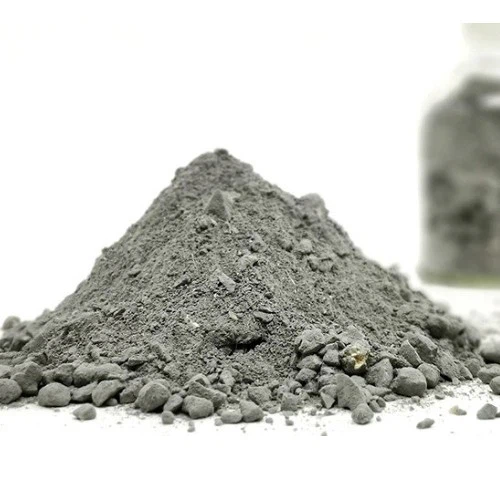
High Alumina Castable
What Is High Alumina Castable Refractory?
|
Brand |
HCA-180 |
HCA-170 |
HCA-160 |
|
|
Application Limit Temp℃ |
1,800 |
1,700 |
1,600 |
|
|
Bulk Density (g/cm3) |
2.95 |
2.45 |
2.3 |
|
|
Water Required for Casting(%) |
8-11 |
10-14 |
10-14 |
|
|
CCS/MOR(MPa) |
at110℃x24h |
60(10) |
45(8.5) |
40(8) |
|
at1,200℃x3h |
55(9.5) |
50(9) |
45(8.5) |
|
|
at1,400℃x3h |
80(15) |
55(10) |
50(9) |
|
|
Permanent Linear Change(%) |
at110℃x24h |
-0.03 |
-0.06 |
-0.06 |
|
at1,200℃x3h |
-0.1 |
-0.2 |
-0.2 |
|
|
at1,400℃x3h |
0.4 |
-0.3 |
-0.2 |
|
|
Chemical Analysis(%) |
Al2O3 |
91 |
76 |
63 |
|
SiO2 |
1.5 |
15 |
27 |
|
For engineering projects, confirm the final technical data against your working temperature, lining position, chemical environment and mechanical load. Ask for the datasheet of the grade you are considering.
Grades and How to Choose the Right One
We group the grades by Al2O3 content, from 45% up to 80%. Higher Al2O3 buys more refractoriness and more resistance to slag. It also costs more.
Start from the hot-face temperature. That sets the floor for the grade. Then check the slag and the abrasion condition. A furnace with heavy slag attack needs a higher Al2O3 grade than a clean heating furnace at the same temperature.
Here is the order we recommend for selection:
- Working temperature of the furnace or kiln
- Al2O3 content requirement
- Abrasion and mechanical load
- Slag or chemical corrosion condition
- Lining thickness and installation position
- Construction method and dry-out schedule
- Expected service life and maintenance cycle
For general furnace lining and repair work, a standard high alumina castable covers the duty. Where you need higher strength and lower porosity, low cement castable is usually the better fit. Where slag corrosion or wear is severe, corundum castable and chrome corundum castable come into play. Where the slag is basic, alumina magnesia castable is the one to compare.
Send us the working temperature, the slag condition and the lining position. We will come back with the grade and the water addition figure for your project.
Mixing, Installation and Dry-Out Notes
Water addition is the biggest control point on site. Follow the figure on the datasheet for your grade. Too much water lowers the strength and raises the shrinkage. The mix pours more easily, but the lining pays for it later.
Mixing time matters as much as water. Dry-mix first. Then add water and mix to a uniform colour with no dry pockets. Do not top up the water at the end to make the mix flow. If the mix stiffens while you work, remix it.
Vibration should fill the formwork without separating the mix. Work in layers. Keep the vibrator moving. Do not hold it in one spot until the surface turns wet.
Curing and dry-out decide whether the lining survives its first heat. After casting, let the body set before you strip the formwork. Then follow a controlled dry-out schedule. A fast heat-up traps steam inside the lining. Steam pressure cracks the body, and sometimes spalls it off the shell.
We supply the dry-out schedule with the order. Send your lining thickness and your furnace type. We will match the schedule to it.
Standard Sizes and Customization
The castable ships as a dry mix, not as a fixed panel. Size is not the constraint that it is for a brick. What we customize is the mix and the packing.
Composition can be adjusted. Aggregate size can be adjusted. Bag weight and package type can be adjusted. Strength and other technical performance can be set against your furnace condition and your project requirements.
Two checks stay standard on every order. Every batch passes a raw material check. Every batch passes a final inspection before it leaves the plant.
If you are matching an existing lining, send the datasheet you are working from. We will tell you whether we can match it or whether a small change is needed.
Applications in Furnace and Kiln Lining

High alumina castable refractory covers the lining positions where brick masonry is difficult, slow or impractical. Common uses include:
- Industrial furnace lining
- Kiln car lining
- Heating furnace repair
- Boiler and incinerator lining
- Cement kiln maintenance areas
- Steel plant refractory repair
- Petrochemical heating equipment
- Non-ferrous furnace backup lining
The material works best where the lining has a complex shape, an irregular area or a repair patch. Formwork can follow almost any profile. Brick cannot.
For areas with heavier abrasion, stronger slag attack or sharp thermal cycling, compare the neighbouring products before you specify. The right grade at the start costs less than a reline in the middle of a campaign.
Packing and Delivery

The castable ships in moisture-proof bags or jumbo bags. We set the bag weight around your handling equipment and your storage. Customized packaging is available against order quantity, transport method and storage conditions.
Moisture is the enemy in transit and in storage. Keep the bags closed and off the floor. A mix that has taken on water will not reach its rated strength.
Send your destination country and port with the inquiry. We will confirm the packing plan and the delivery terms in the quotation.
FAQ: High Alumina Castable Questions
What is high alumina castable used for?
It lines furnaces, kilns, boilers, incinerators and heating furnaces. It also handles repair work in cement kilns and steel plants. It suits any high-temperature position where a monolithic lining beats brick masonry.
How do I choose the right grade?
Work from the hot-face temperature first. Then add the slag condition and the abrasion level. A clean heating furnace needs less Al2O3 than a furnace with heavy slag attack at the same temperature. Send your conditions and we will confirm the grade.
Is castable better than refractory brick?
It depends on the position. Castable wins on complex shapes, repair areas and monolithic lining work. Brick wins on standard masonry structures that are easy to lay and easy to replace.
How much water should I add?
Follow the figure on the datasheet for your grade. Do not add extra water to make the mix flow more easily. Excess water lowers the strength and raises the shrinkage.
Can it be customized?
Yes. Composition, aggregate size, package, strength and technical performance can all be adjusted to your furnace condition and project requirements.
What is the MOQ, and can I get a sample and a price?
Yes. MOQ is set per order. Send your grade, quantity and destination port, and we will return a quotation with the packing plan.
Hot Tags: High Alumina Castable, China High Alumina Castable manufacturers, suppliers, factory, Alkaline Resistant Castable, Anti Skinning Castable refractory, Alumina Magnesia Castable material, Plastic Castable, High Strength Castable Refractories, Electric Furnace Gunning Material
You Might Also Like


Send Inquiry