


Lightweight refractory products mainly generate a large number of pores inside the material to make the material have better heat insulation performance. The introduction of pores is the most important link in the production process of lightweight refractories. The shape, size, distribution and amount of pores will affect the performance of the product.
The method of generating pores in lightweight refractory materials is commonly used by adding lost materials, which is to add a certain amount of organic substances such as wood chips, polystyrene, coal powder, coke, petroleum coke, etc. when the refractory materials are prepared. Pore material, pore-forming material or pore-forming agent. They burn out during the high-temperature treatment of raw materials and form pores. The following factors are most strongly correlated with the choice of pore-forming agent and have a significant impact on the manufacturing of light weight refractory materials as well as the microstructure and performance of products:
The burned matter should be easy to burn completely, and the ash left after burning should be as little as possible.
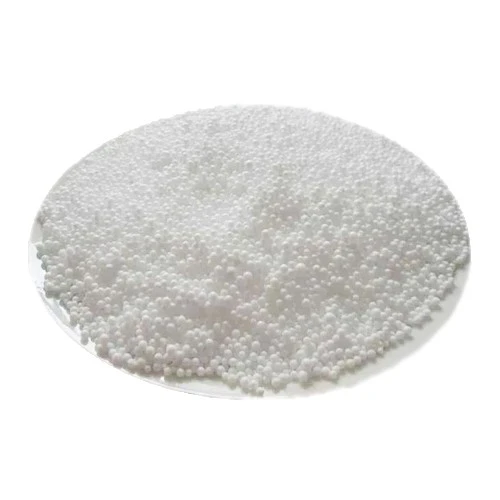
Polystyrene foam balls are the simplest to burn out of all the regularly utilized pore-forming substances. The foaming agent volatilizes, it softens at around 80°C, and the volume of the foam balls gradually decreases to 1/40 of its initial size. At about 164°C, polystyrene begins to melt. At about 316°C, it decomposes into carbon and hydrogen, which burns out at about 576°C and leaves pores. Polystyrene foam ball is a great pore-forming agent because of its extremely low density, which results in a relatively low amount of material being burned off in the same volume.
Although sawdust has a similar ease of burning as polystyrene balls, it has a far higher density. The huge amount of charcoal residue that remains after the volatile material has entirely volatilized needs to be burned at a higher temperature. The material's porosity will decrease and "black cores" will form if the pore maker is not totally burned out. This will prevent pores from emerging in the material. The performance of lightweight refractory materials with black core may be impacted by the total remaining chemicals burning off during usage.
2. The forming characteristics of material will be more affected by the inclusion of charred matter.
Materials that have burned out have a certain amount of flexibility. Green bodies that have been prepared by pressure molding will distort when under pressure and rebound when the pressure is released, leaving them loose, misshapen, or even fractured. Polystyrene foam balls are the most effective pore-forming agents when it comes to the compressed body. The extremely low density of polystyrene balls also makes it simple for them to float up during casting, which causes an uneven distribution of pores inside the final lightweight refractory product.


