


In modern refractory engineering, tabular alumina has become the leading aggregate choice for low cement castables (LCC) and ultra-low cement castables (ULCC). The combination of high purity, superior thermal shock resistance, and low porosity gives it clear advantages over traditional calcined or fused alumina aggregates. For industrial buyers and engineers aiming to extend lining service life and improve furnace efficiency, It offers unmatched stability under extreme temperatures.
1. What Makes Tabular Alumina Different
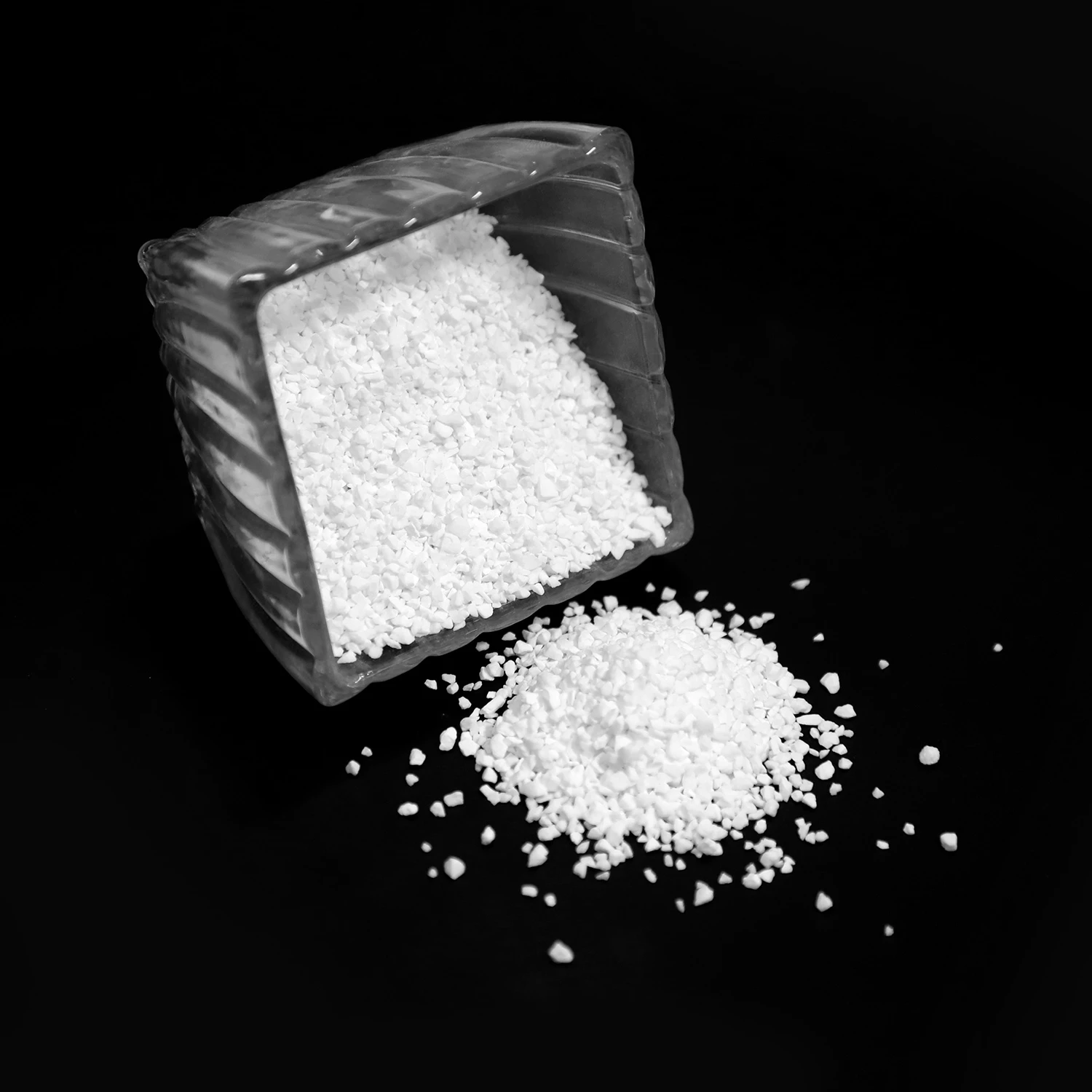
Tabular alumina is a sintered α-alumina (α-Al₂O₃) aggregate produced by firing high-purity alumina powder at around 1900°C without any sintering aids. During this high-temperature process, the crystals grow into large plate-like tabular grains, giving the product its name and distinctive microstructure.
Unlike fused alumina, tabular corundum alumina maintains a fully sintered, low-porosity structure with minimal closed pores and no glass phase. This provides exceptional chemical inertness, volume stability, and high refractoriness.
The typical properties of tabular al2o3 include:
Al₂O₃ content: ≥99.2%
Bulk density:3.5–3.6 g/cm³
Apparent porosity: <5%
Na₂O content: ≤0.4%
Maximum grain size: 0–8 mm (customizable)
These parameters allow engineers to design castables with higher packing density, lower water addition, and better hot strength, resulting in fewer cracks and longer service life.
2. The Role of Tabular Alumina in Low Cement Castables
Low cement castables are a critical development in modern monolithic refractories. By reducing the calcium aluminate cement content to 3% or even below 1%, LCCs achieve superior corrosion resistance and mechanical strength at high temperatures.
In this system, the aggregate plays a decisive role. The use of this alumina as the main aggregate (60–80% by weight) ensures that the matrix remains chemically compatible and thermally stable. Its low impurity content minimizes unwanted reactions with the calcium aluminate binder, while its high refractoriness (up to 1900°C) allows the castable to withstand repeated thermal cycling.
When compared with bauxite or fused alumina, tabular alumina provides:
Higher cold crushing strength (CCS) at 110°C and 1000°C
Improved hot modulus of rupture (HMOR) up to 1400°C
Better resistance to slag and alkali attack
Lower thermal expansion, reducing crack formation
Because of these advantages, many steel plants, cement kilns, and petrochemical units have switched from bauxite-based castables to tabular alumina-based formulations, achieving 20–30% longer lining life.
3. Application Areas in Industrial Furnaces
The unique physical and chemical characteristics of tabular alumina make it suitable for demanding refractory applications, including:
Steel industry: ladle linings, tundish impact zones, and EAF roof castables
Cement industry: preheater and calciner linings exposed to alkali vaors
Petrochemical industry: secondary reformer, hydrogen furnace, and gasifier linings
Ceramics and glass: kiln furniture, burner blocks, and crucibles
In each of these environments, alumina castables maintain shape and strength even under sudden temperature fluctuations, providing superior resistance to mechanical wear and chemical corrosion.
4. How to Choose the Right Tabular Alumina Grade
When sourcing tabular alumina from global suppliers, buyers should evaluate several key parameters:
Specification Typical Range Remarks
Al₂O₃ (%)≥99.2:High purity ensures consistent sintering performance
Na₂O (%)≤0.4:Lower Na₂O improves corrosion resistance
Grain size:0–1 mm, 1–3 mm, 3–5 mm, 5–8 mm Choose based on castable particle size distribution
Bulk density (g/cm³) 3.5–3.6 :Indicates complete sintering
Apparent porosity (%) ≤5:Low porosity means less slag penetration
5. Environmental and Economic Benefits
With the increasing global emphasis on energy efficiency and carbon reduction, tabular alumina-based castables contribute significantly to lower fuel consumption and reduced maintenance costs. Their high thermal stability minimizes unplanned shutdowns, while longer lining life reduces material waste.
Although the initial price of the alumina may be slightly higher than that of bauxite or fused alumina, its lifecycle cost is substantially lower due to improved performance and reduced replacement frequency.
For modern refractory producers and end-users, tabular alumina remains the most reliable and high-performance aggregate for low cement castables. Its unique microstructure, high purity, and consistent thermal stability translate directly into longer service life and better energy efficiency.
As industries continue to demand higher productivity and environmental compliance, the choice of high-purity alumina is not only a technical decision but also a strategic investment in long-term operational reliability.


