


Medical and hazardous waste incineration facilities operate under some of the most destructive chemical and thermal environments in modern waste-to-energy processing. Unlike municipal solid waste boilers, medical waste incinerators process variable, halogenated feedstock containing chlorinated plastics (PVC), fluorinated organics, sulfur-bearing pharmaceuticals, and heavy metal hospital residues. Combustion gases generate concentrated hydrochloric acid (HCl), hydrofluoric acid (HF), and alkali metal sulfates that aggressively penetrate porous refractories. Specifying a tailored refractory brick medical waste incinerator lining system across the rotary kiln, primary combustion chamber, and secondary combustion chamber is essential to prevent catastrophic kiln shell corrosion and unplanned environmental shutdowns. At Topower Refractory, we engineer and manufacture specialized chemical-resistant refractory linings designed for hazardous and hospital waste disposal facilities worldwide.
Key Technical Sourcing Facts
Specialized Incinerator Brick Series: High-density chromium-zirconium corundum bricks (JGZC-80, JGZC-85), corundum-mullite bricks (JCM85), and corundum silicon carbide bricks (JSIC65C).
High Chemical & Mechanical Integrity: Bulk density from 2.70 to 3.20 g/cm3; apparent porosity held <= 15.0%; cold crushing strength >= 90 to 110 MPa; refractoriness under load (0.2 MPa) >= 1650°C to 1700°C.
Corrosion Resistance Mechanism: Cr2O3 and ZrO2 solid solutions create an impenetrable liquid slag passivation layer, while dense SiC aggregate blocks halogen gas penetration and eliminates alkali burst.
Factory Direct Sourcing: Machine pressed under high-tonnage hydraulic presses, high-temperature fired at 1550°C to 1700°C in tunnel kilns, and vacuum palletized for global export. Typical lead time 10 to 15 days FOB Qingdao / Tianjin.
The Incineration Challenge: Multi-Stress Degradation
A medical waste rotary kiln and secondary combustion chamber (SCC) must withstand three simultaneous destruction mechanisms:
Halogen Acid Gas Corrosion (HCl, HF, SO2): Chlorinated waste generates gaseous HCl that diffuses into refractory pores, reacting with free calcia and alumina to form volatile metal chlorides, causing deep spalling.
Low-Melting Eutectic Slag Erosion: Sodium, potassium, and phosphorus in clinical ashes form low-melting alkali-silicate eutectics that wet refractory surfaces and dissolve brick bond matrices.
Severe Thermal Cycling & Mechanical Abrasion: Batch feeding of solid waste drums causes sudden temperature drops of 200°C to 300°C, combined with continuous tumbling gouging from heavy metal waste scrap.
To combat these concurrent stresses, plants rely on engineered high alumina brick foundations combined with specialized composite refractory bricks.
Technical Specifications: Topower Incinerator Brick Formulations
Selecting the optimal refractory depends on operating temperatures (typically 850°C to 1100°C in primary kilns and 1100°C to 1300°C in secondary combustion chambers). Below are verified laboratory parameters from our hazardous waste refractory series:
| Technical Parameter / Property | JGZC-85 (Cr-Zr Corundum) | JGZC-80 (High Cr-Zr) | JCM85 (Corundum Mullite) | JSIC65C (Corundum SiC) | Test Standard |
|---|---|---|---|---|---|
| Al2O3 (%) | >= 82.0 | >= 80.0 | >= 85.0 | >= 65.0 | ASTM C114 |
| Cr2O3 + ZrO2 (%) | 4.5 - 5.5 | 8.5 - 9.5 | / | / | XRF Analysis |
| SiO2 + SiC (%) | / | / | 12.0 - 14.0 | >= 30.0 | ASTM C571 |
| Fe2O3 (%) | <= 0.70 | <= 0.70 | <= 0.30 | <= 1.20 | ASTM C114 |
| Bulk Density (g/cm3) | >= 3.10 | >= 3.20 | >= 3.00 | >= 2.70 | ASTM C134 |
| Apparent Porosity (%) | <= 15.0 | <= 15.0 | <= 17.0 | <= 15.0 | ASTM C20 |
| Cold Crushing Strength (MPa) | >= 110.0 | >= 110.0 | >= 100.0 | >= 100.0 | ISO 10059 |
| Refractoriness Under Load (°C) | >= 1700 | >= 1700 | >= 1700 | >= 1650 | ASTM C583 |
| Thermal Shock (1100°C Water) | >= 20 cycles | >= 20 cycles | >= 20 cycles | >= 15 cycles | DIN 51068 |
Note: All lining shapes, including rotary kiln wedge bricks (ISO 5472), arch bricks, and burner collar blocks, are precision machined with dimensional tolerances held within +/- 1.0 mm.
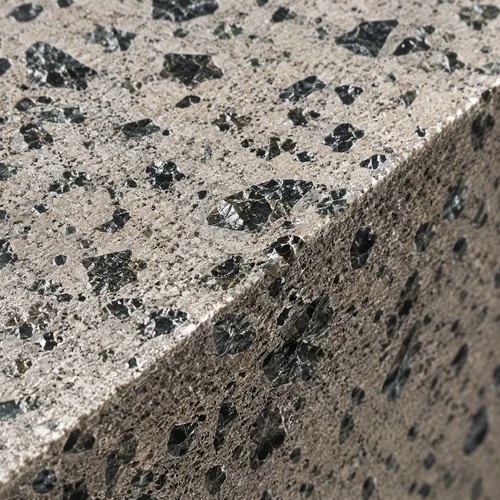
Strategic Zoning in Medical Waste Incinerator Systems
A reliable refractory brick medical waste incinerator lining requires targeted zoning tailored to regional temperature and chemical exposure:
1. Rotary Kiln Feed End & Transition Zone (JSIC65C)
The feed inlet receives cold clinical waste batches and sustains intense mechanical tumbling. Specifying JSIC65C (corundum silicon carbide) utilizes high thermal conductivity (>= 8.5 W/m·K) and low thermal expansion to resist thermal shocks, while the SiC aggregate provides extreme abrasion resistance against steel sharps and glass ampoules.
2. Rotary Kiln Burning & Slagging Zone (JGZC-85)
Operating between 950°C and 1150°C, the burning zone forms aggressive molten clinker rich in alkalis and sulfates. The Cr2O3 content in JGZC-85 increases slag viscosity at the hot face, forming a dense chromium-spinel reaction barrier that halts liquid infiltration. Simultaneously, micro-crystalline ZrO2 generates micro-crack toughening that dampens thermal stresses.
3. Secondary Combustion Chamber (SCC) Hot Face (JGZC-80 & JCM85)
To ensure complete destruction of dioxins and furans, environmental regulations mandate secondary chamber temperatures above 1100°C with 2.0-second gas residence times. In slag-tap secondary chambers, JGZC-80 provides maximum slag wash defense. In non-slag vertical towers, high-purity JCM85 corundum mullite bricks ensure zero structural creep under long-term thermal load.
4. Burner Surrounds and Transitions
Burner ports subject refractories to severe thermal flame impingement. Precast burner blocks cast with dense corundum castable and backed with ceramic fiber blanket insulation layers guarantee structural stability without flame washout.
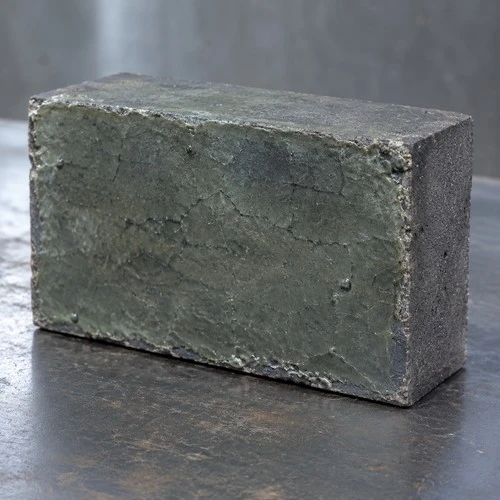
Acid Gas Defense: Chromium and Silicon Carbide Protection
Halogen gases present the greatest long-term threat to incinerator refractories:
Chromium-Zirconium Passivation
When molten medical waste slag contacts chromium corundum bricks, Cr2O3 dissolves into the liquid silicate phase. This immediately increases slag viscosity by an order of magnitude, creating a self-limiting protective crust on the brick face. Furthermore, ZrO2 absorbs lattice shear stresses, preventing structural peeling.
Silicon Carbide Gas-Tight Glaze
In acidic flue streams, silicon carbide grains slowly develop a thin, microscopically dense amorphous silica (SiO2) glass film:
SiC + 2 O2 -> SiO2 + CO2
This in-situ silica glaze seals interconnected brick pores, physically blocking gaseous HCl and HF from attacking the inner refractory body.
Installation, Mortar Selection & Expansion Allowance
Proper installation craftsmanship ensures long campaign life in rotating incinerator kilns:
Chemical-Resistant Refractory Mortar: Never lay incinerator bricks with standard fireclay mortar. Bricks must be set with high-alumina or phosphate-bonded chemical setting mortar with joint thickness strictly held below 1.5 mm.
Radial Expansion Compensation: Rotary kilns expand significantly during operation. Install thermal expansion joints every 2.0 to 2.5 meters using combustible ceramic fiber paper or cardboard spacers (1.5 mm thickness per linear meter of shell circumference).
Controlled Curing and Drying: After bricklaying, conduct a multi-stage dry-out schedule (25°C per hour to 250°C, hold for 24 hours, followed by 50°C per hour to 800°C) to expel chemical moisture safely without steam-spalling.
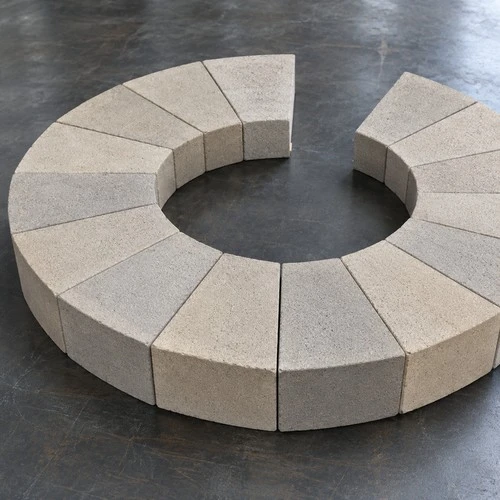
Packaging, Storage & Export Logistics
Topower Refractory ships heavy industrial bricks fully protected against maritime humidity:
Fumigated Pallet Packaging: Bricks are stacked on ISPM-15 compliant heat-treated wooden pallets, separated by corrugated paper layers, and banded with high-tensile steel straps.
Weatherproof Shrink Hoods: Pallets are vacuum-wrapped with heavy-duty UV-resistant polyethylene shrink hoods with desiccants included to prevent moisture contact.
Container Loading: Standard 20-foot export containers accommodate 22 to 25 metric tons (18 to 20 pallets) with reinforced dunnage bags to prevent shifting during ocean transit.
Transparent Sourcing: Pricing & How to Order
At Topower Refractory, we supply custom-engineered refractory brick medical waste incinerator linings for hospital incinerators, hazardous waste rotary kilns, and thermal oxidizers:
Technical RFQ Checklist
To receive a detailed lining arrangement and formal quote within 4 hours, provide:
Incinerator Type & Capacity: Rotary kiln dimensions, primary chamber design, or vertical secondary combustion chamber throughput (tons/day).
Waste Feedstock Profile: Moisture level, calorific value, and estimated chlorine (PVC), fluorine, or sulfur concentrations.
Operating Temperatures: Normal and peak temperatures in primary and secondary burning chambers.
Required Brick Tonnage: Minimum order is 10 metric tons (Full container load FCL is 22 to 25 metric tons per 20GP container).
Destination Port: For instant FOB Qingdao/Tianjin or CIF pricing calculations.
Commercial Pricing Reference: High-grade corundum mullite bricks typically range from 680 to 980 USD per metric ton FOB China, while specialized chromium-zirconium corundum bricks (JGZC series) range from 1250 to 1950 USD per metric ton depending on Cr2O3 and ZrO2 percentages.
Direct Engineering Support: Contact our environmental engineering team directly at inquiry@topower.tech to review kiln drawings or request technical datasheets.
Frequently Asked Questions
What makes medical waste incinerator slag more corrosive than municipal waste slag?
Medical waste slag contains high concentrations of volatile alkali halides, sodium phosphates, and molten metal oxides originating from disposable hospital supplies and packaging. These compounds form low-melting eutectic phases that aggressively wet and dissolve traditional alumino-silicate refractory bonds.
Why is silicon carbide incorporated into rotary kiln feed zones?
Silicon carbide provides outstanding thermal conductivity (preventing thermal fatigue during intermittent cold drum feeding), superior Mohs hardness (resisting severe mechanical impact from glass and metal sharps), and chemical immunity to acidic halogen gases.
Can standard refractory brick medical waste incinerator linings handle flue gas scrubbing zones?
No. Flue gas scrubbing zones operate below acid dew points where liquid hydrochloric and sulfuric acids condense. Wet scrubber zones require acid-proof ceramic tiles or specialized vinyl-ester polymer linings rather than high-temperature basic or alumina refractories.


