


Will the use of refractory castables with high indexes be better?
Refractory castables are good only if they have suitable indicators. High indicators may not necessarily be suitable, only suitable ones can be said to be good.
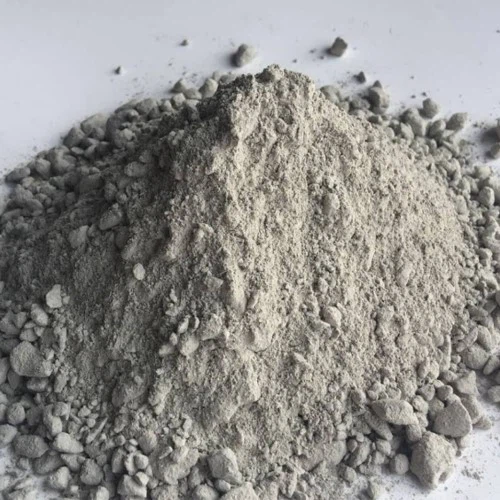
Refractory castables with high indexes have good strength, wear resistance and corrosion resistance, but the price is also high. But it is not suitable for all areas and temperatures.
Selection is based on varying temperatures, atmospheres and levels of erosion. For example, in the 1100 area, using corundum castable is not the best choice, because corundum refractory castable has high strength but is relatively brittle. Suitable for use at temperatures above 1400°C. The essential properties of 1100 corundum castable cannot be used, but the effect is not very good because the temperature is low and the holding point of corundum is not used. It cannot be used at a high price and the effect is not good, and vice versa.
Of course, in the case of high temperature, it is still necessary to choose refractory castables suitable for materials of the same temperature. Due to its high price, good indicators and long service life, the performance of refractory material castables can be fully utilized at appropriate temperatures.
When the atmospheres are different, choose refractory castables in different atmospheres, choose acidic castables in the same atmosphere for acidic atmospheres, and choose alkaline atmosphere castables for alkaline atmospheres. If corrosion is serious, choose corrosion-resistant castables; if wear is serious, choose castables with good wear resistance.
Not only is refractory castable with good indicators a good choice, it should be said to be a suitable choice. Some manufacturers only look at some of the indicators in the book to ask for selection, which is actually unscientific and unreasonable. Appropriate refractory castables should be selected based on the actual temperature, atmosphere and erosion conditions of the furnace lining.


