


Andalusite
MOQ: 5 tons
Description
Andalusite is a typical mineral of low-grade thermal metamorphism, and is commonly found in mudstones in contact with metamorphic zones. It is mainly formed under the conditions of high geothermal gradient and low pressure to temperature ratio.
It is generally columnar crystal, and its cross section is almost square. The crystals gather together into radial or granular shapes. People often call the radial andalusites "chrysanthemum stones", which means that they are like the petals of a chrysanthemum.
Features
Andalusite is pink, red, purple, green, red-brown, off-white, gray-yellow and light green, with glass luster. Some good quality and transparent crystals are also regarded as gems. It is heated to 1300℃ to become mullite, which is a high-grade refractory material
Exceptional Thermal Shock Resistance: Andalusite-based refractory materials exhibit exceptional resistance to thermal shock, making them suitable for applications involving rapid temperature changes.
High Refractoriness: These materials withstand high temperatures without compromising structural integrity, crucial for maintaining stability in various industrial processes.
Low Thermal Expansion: Their low thermal expansion characteristics contribute to stability under fluctuating temperature conditions.
Application
Andalusite can be used as high-grade refractories in the smelting industry, refractory bricks, and raw materials for technical ceramics industries. It can also be used to smelt high-strength lightweight silicon-aluminum alloys to make metal fibers and guide-type supersonic aircraft and spacecraft
Andalusite refractory materials serve as linings in furnaces, kilns, reactors, and other high-temperature equipment across industries. Their exceptional thermal properties make them ideal for applications requiring reliable insulation and stability in extreme heat environments.
Physical And Chemical Indicators
| Grade | Al2O3 | SiO2 | Fe2O3 | TiO2 | CaO | MgO | Na2O | K2O | Size |
| 55% | 55.0 | 42.5 | 1.20 | 0.3 | -- | -- | 0.50 | 0-1mm,1-3mm,200mesh | |
| 56% | 56.0 | 41.5 | 1.20 | 0.3 | -- | -- | 0.50 | 0-1mm,1-3mm,3-5mm,200mesh | |
| 57% | 57.6 | 40.3 | 0.80 | 0.25 | 0.10 | 0.15 | 0.10 | 0.20 | 0-1mm,1-3mm,3-5mm,200mesh |
| 58% | 58.9 | 38.5 | 0.80 | 0.15 | 0.20 | 0.10 | 0.10 | 0.35 | 0-1mm |
Productive Process
The minerals undergo shaping into refractory bricks or castables, followed by firing at high temperatures. This process ensures the development of a stable structure capable of withstanding extreme temperatures and thermal cycling.
1.Raw material quality control including physical and chemical testing.
2.crushing and grinding of bulk raw materials.
3.Packing after quality testing

Packing And Shipping
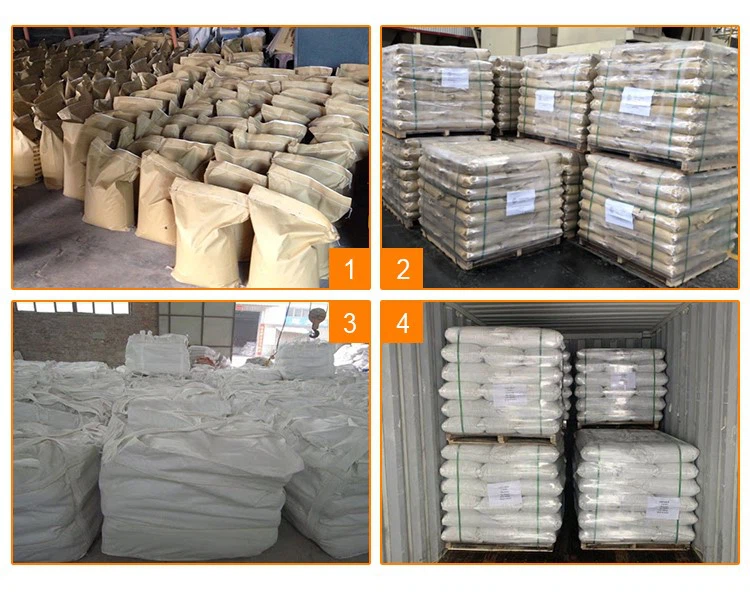
Packaging according to safety sea-exporting packing Standard
Dispatch : loading the finished packing material at factory by container Door toDoor
By 25kg kraft paper bags+sea fumigated wooden pallets
Chemical test report
This is our andalusite chemical content test report from CNAS.

Hot Tags: Andalusite, China Andalusite manufacturers, suppliers, factory, White Fused Corundum, Brown Corundum Powder, andalusite powder, Andalusite, White Corundum Powder, tabular corundum
Previous
Kaolin ClayNext
Calcined bauxiteYou Might Also Like



Send Inquiry